One of San Antonio's buzziest historic neighborhoods is experiencing a revival
120 years ago, St. Paul Square near downtown San Antonio would've been filled with the rumbling of a train running down the tracks, the low sounds of chatter and the clicking of horses as they pulled carriages along. The home of the Southern Pacific Passenger Depot, the area was once a bustling business district.
Then, for a long time, it was silent.
Highways dealt a blow to San Antonio's historic St. Paul Square
Originally founded in 1778, St. Paul Square was a bustling transportation hub following the building of the Southern Pacific Passenger Depot in 1902. And despite segregation, the City of San Antonio says it was "racially mixed from its earliest days," giving way to a "flourishing African American community."
But a few years ago, MySA reported that the a historic locale on the Eastside of downtown had long been "plagued by diminishing foot traffic and a glut of empty storefronts." Chalk it up to the rise of the automobile and the arrival of IH-37 to the west, which dealt a blow to the train station (later known as Sunset Station and eventually becoming music venue The Espee) and cut the area off from the rest of downtown in the mid-20th century.
"Efforts to revitalize the neighborhood have failed in part because of few attractions, insufficient housing and parking problems," the article recounted. That was in 2019, when local developers renamed the nearby train station-turned events venue Sunset Station to The Espee in an attempt to breathe life into the area.
St. Paul Square lead co-developer, Don Thomas of Espada Real Estate, told MySA he'd been intrigued with the area since he moved to San Antonio in 1988 and always believed it had potential. When the Alamodome was built in the early '90s, he said the neighborhood saw a resurgence — but it still felt geared towards tourists.
Thomas emphasized that when they purchased the St. Paul Square property in the late 2010s, the goal was to transform it into a locally driven entertainment, dining and nightlife development. The idea was that by bringing in locals, tourists and convention attendees would follow. Half a century of inactivity means St. Paul Square wasn't "top of mind" for San Antonians, Thomas said. But this kind of revitalization — "adaptive reuse" of a historic area — is the type Thomas said he's drawn to.
Historic San Antonio district gets re-energized in roaring 2020s
In the 2020s, it finally made a comeback — with a few viral twists.
Zen Haus and Beauty Haus opened in St. Paul Square in August 2021 and started hosting the monthly night markets that went viral this summer, bringing out thousands of San Antonio's matcha-loving, vintage apparel-hunting, house music-listening Gen Z-ers. Nightclub 1902 opened across the way in November 2021 and has since been frequented by stars from Love Island, internet-famous streamers and even Playboi Carti after he opened for The Weeknd's record-breaking Alamodome concert. And in 2023, Sabrina Carpenter took the stage at the 3,175-capacity Espee.
"There's a lot of energy down there, and it's exciting to be a part of that and watch it continue to evolve and grow," Espee general manager Emily Smith told MySA.
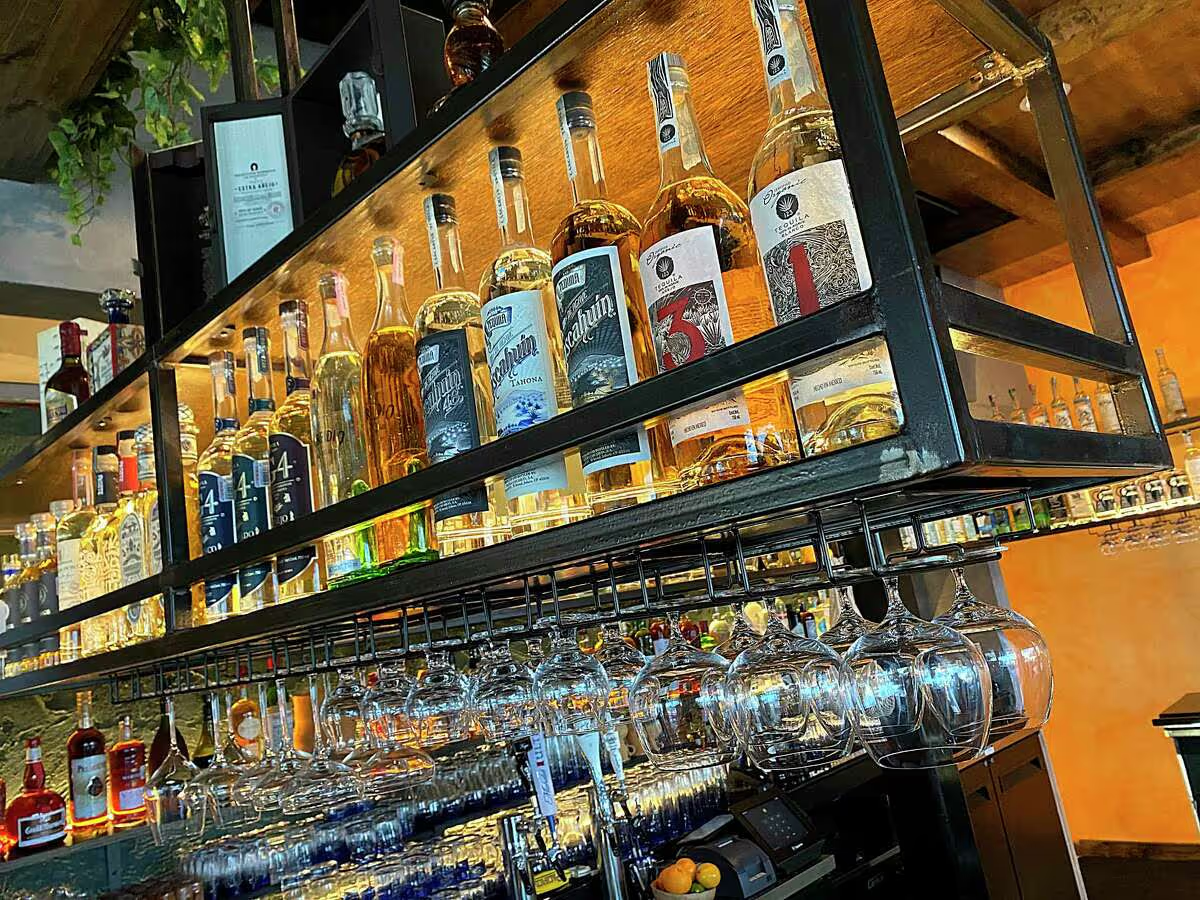
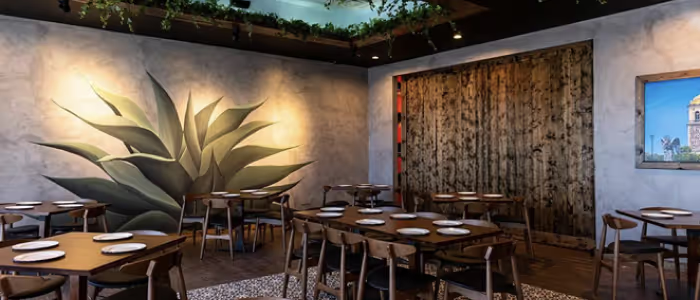
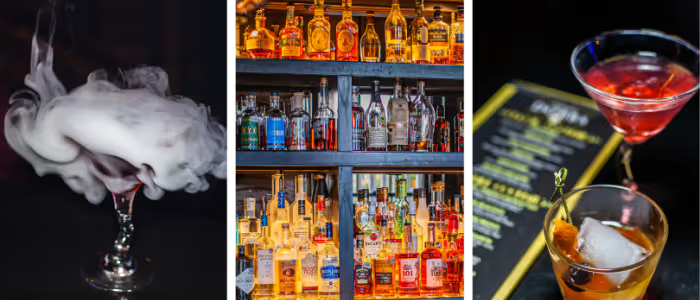
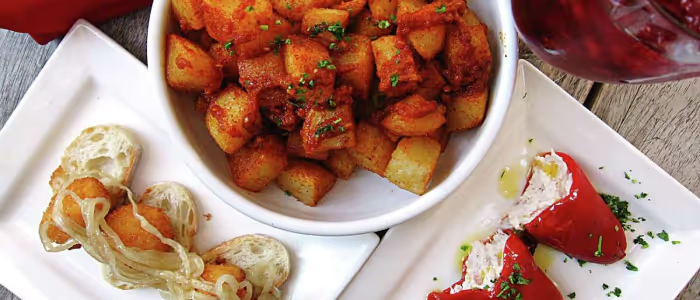
St. Paul Square now hosts Spurs watch parties, live music, community events and more, as well as boasting numerous cocktail bars, restaurants and coffee shops. One of those is El Tigre, an Austin-based coffee shop that opened its first San Antonio location in St. Paul Square in February.
Owner Tatanka Guerrero, who also serves as the neighborhood's director of curation and development, told MySA the 210 feels a lot "more soulful" and calm than the packed and bustling Capital City. After Thomas invited him to open a location in St. Paul Square, Guerrero said El Tigre has been part of the district's revitalization.
As curator, Guerrero helps to shape the identity and personality of St. Paul Square by deciding which local businesses to bring in. "You kind of almost have to understand everything that doesn't work, to then start kind of formatting what could work and will work," Guerrero said.
The COVID-19 pandemic did throw a wrench into plans, shuttering about 85 percent of the businesses they'd managed to bring in, Thomas said. Now, they're at about 60 to 70 percent occupancy. Of course, the challenges that plague small businesses everywhere apply here just the same (Blessed Bogside, Frankie’s Roundup, Vino Veritas and The Box all closed suddenly in September), especially tucked between a highway and a railroad track.
However, its downtown-adjacent location — 100 yards from the Alamodome and a stone's throw across the highway from Hemisfair — could also be its strength. Smith said the "diversity" of restaurants, bars, clubs and live music within walking distance of downtown's convention center and hotels is "beneficial to just to the continued growth of San Antonio's live entertainment offerings."
Who's to say how future Project Marvel-related developments could impact St. Paul Square. Regardless, Guerrero said the important thing is to "build a foundation for the sustainability of the district," including more parking, an observation wheel and bringing in other local businesses, as well as "visionaries, tastemakers," to invest in the district.
"It feels like San Antonio has got this new renaissance," Guerrero said. "And it's growing and it's evolving and, you know, just beautiful to watch and being part of it."